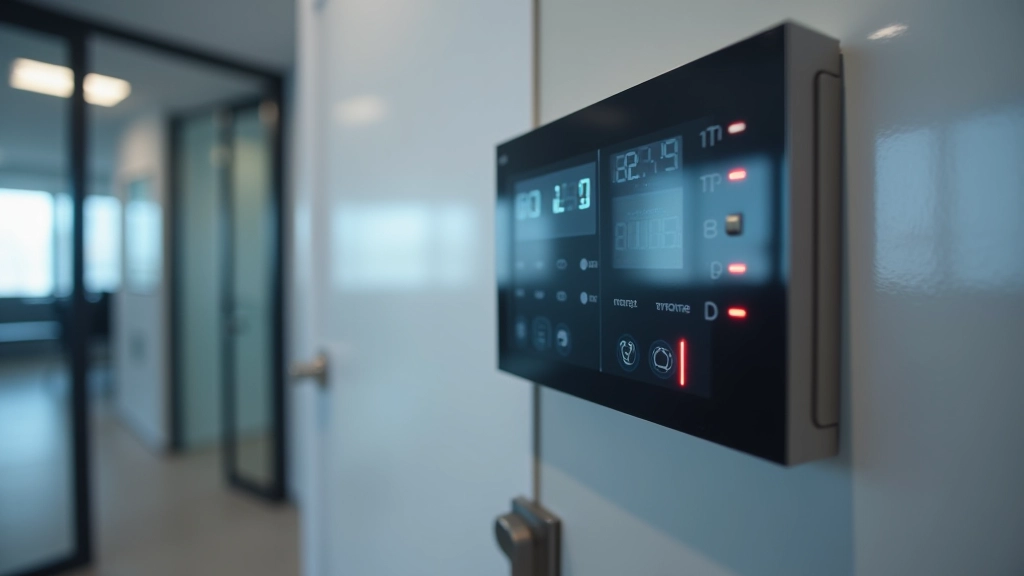
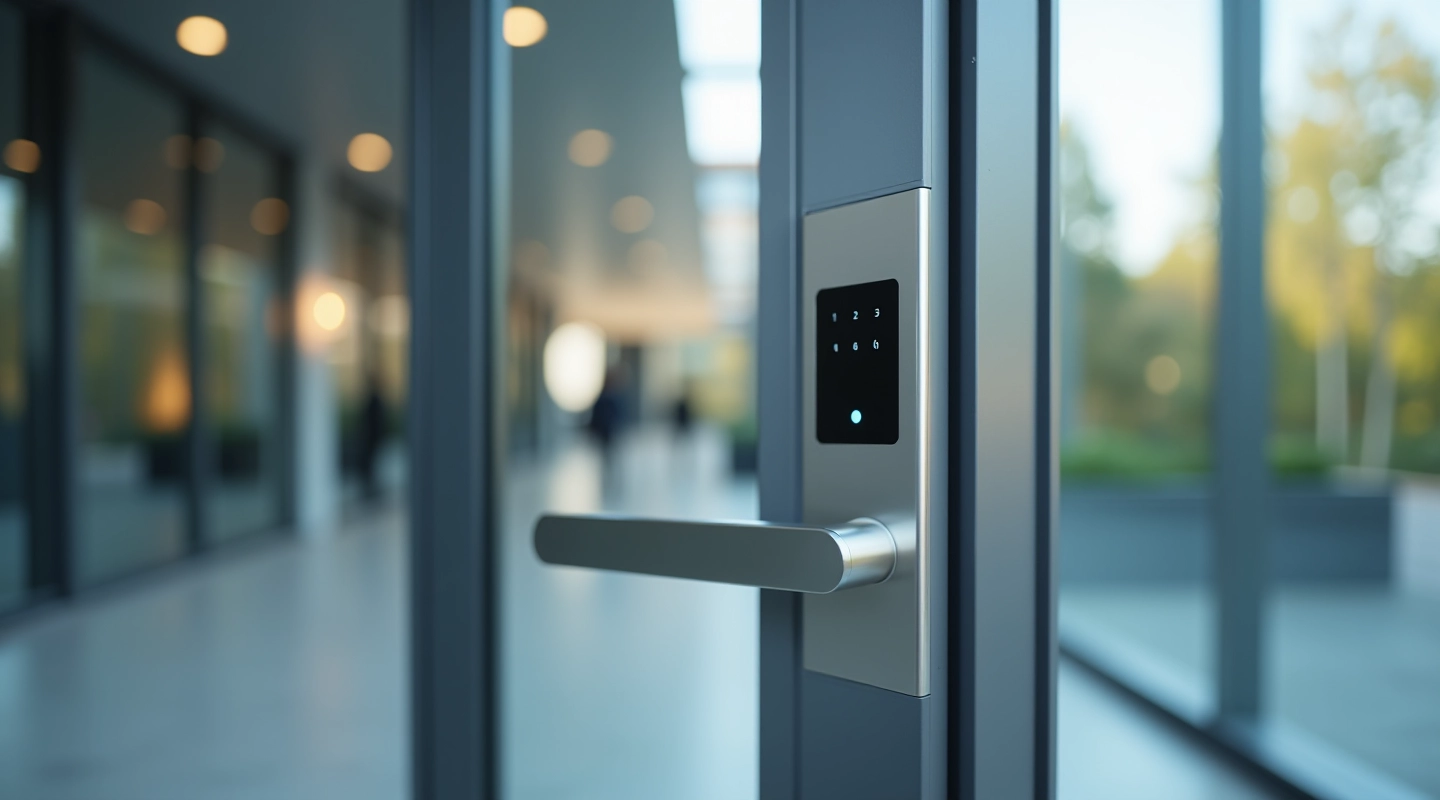
Why Electronic Locks Matter for Modern Offices
Picking the right electronic lock isn't just about security—it's about making your office run smoothly. We're talking convenience for employees, flexibility for access management, and systems that actually integrate with your existing infrastructure. The wrong choice creates headaches. The right one? It practically disappears into your operations.
There's a lot to consider. Durability matters when you've got hundreds of people using doors daily. Installation complexity can derail a project timeline. And if the system doesn't talk to your building management software, you've got a real problem. That's why understanding the fundamentals upfront saves time and money.
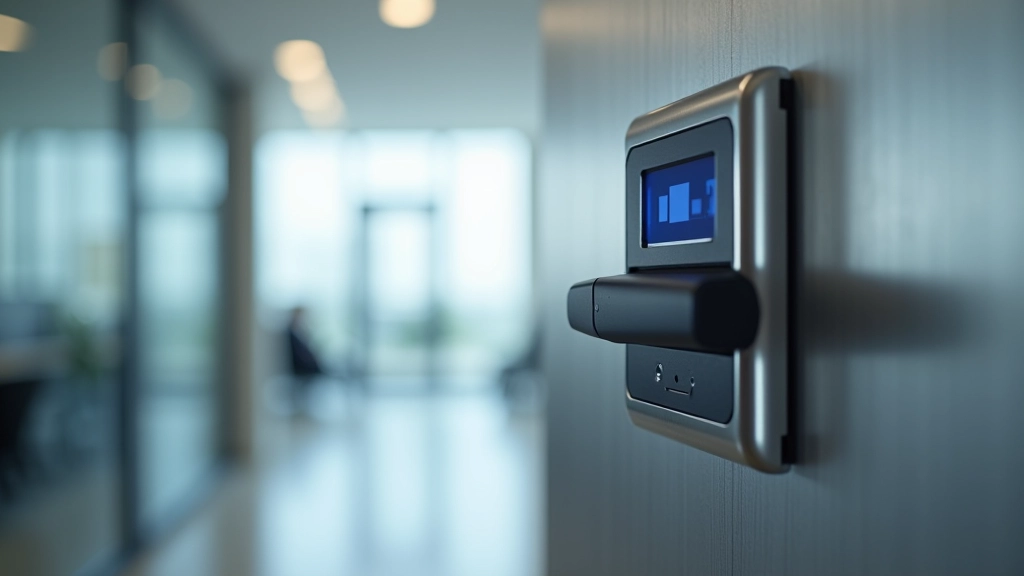
Understanding Lock Types and Technologies
Electronic locks come in several flavors, and you'll want to know the difference. Magnetic locks are simple—power cuts, door locks. They're reliable but need power constantly, which matters if you care about energy costs. Electric strikes work with your existing mechanical locks, which is handy if you're retrofitting.
Then there's the access method. Keycards are standard in most office buildings—they're durable and quick to replace if someone loses theirs. Keypads work for smaller offices or low-traffic areas. And if you're upgrading to something modern, mobile access (phones as keys) exists, though it's still catching on in traditional office settings.
Key consideration:
Don't confuse the access method with the locking mechanism. You might have a keycard reader that triggers an electric strike. That's the combination that matters for your workflow.
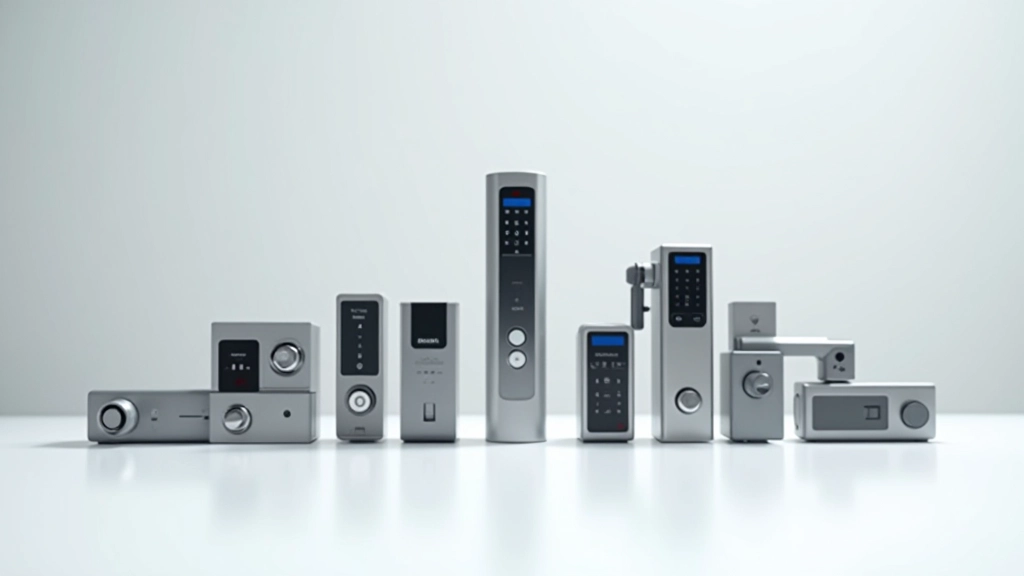

Installation and Compatibility Challenges
Here's where things get practical. Installation isn't always straightforward. Some locks need new power lines run to doors—that's expense and disruption. Others retrofit into existing hardware, which saves money but limits your options.
You'll want to check compatibility with your current door frames and handles. Not every lock works with every door. Glass doors have different requirements than metal frames. And if you've got older building infrastructure, some modern systems simply won't play nice. Getting this wrong means callbacks and wasted time.
Power backup matters too. When the electricity goes out, you don't want employees trapped outside or inside. Battery backup systems add cost but provide peace of mind. Most commercial installations include this because the alternative—explaining to management why the office is inaccessible during a power outage—isn't fun.
System Integration and Management
The lock is just one piece. You need software that talks to it. Can your system integrate with building management? Does it work with your security system? Can HR provision new employee access automatically, or are you manually adding keycards?
Logging and audit trails matter more than you'd think. You'll want to know who entered where and when. It's useful for security investigations and sometimes required for compliance. The system should make reporting easy, not require technical diving.
Don't underestimate user management complexity. You're not just installing hardware—you're creating a system people use daily. If your access control software is clunky, staff get frustrated. Visitors complain. Contractors can't get in on time. Good systems feel invisible because they just work.

Making the Right Choice for Your Building
Choosing an electronic lock system comes down to matching technology with your actual needs. Budget matters, but so does reliability. Installation complexity shouldn't be ignored. And the integration piece—how it works with your broader building systems—that's what separates a smooth operation from constant frustration.
Start by assessing what you actually need. How many doors? What's your traffic volume? Do you need detailed access logging? Are you integrating with existing systems? Once you've answered these, you're ready to evaluate specific products rather than just picking the cheapest option.
Take time with the evaluation. Get multiple quotes. Ask for references from similar-sized buildings. And don't rush installation planning—it's one of the most common places projects slip schedule. A properly chosen and installed system lasts years and runs invisibly. That's what you're after.
Editorial Disclaimer
This article provides general information about electronic lock selection for office buildings. It's designed to help you understand the key factors and considerations involved in the decision-making process. Specific requirements vary depending on your building's infrastructure, local regulations, and security needs. We recommend consulting with qualified security professionals and installation contractors before making final purchasing or installation decisions. Circumstances and technology evolve, so always verify current compatibility and capabilities with vendors directly.